

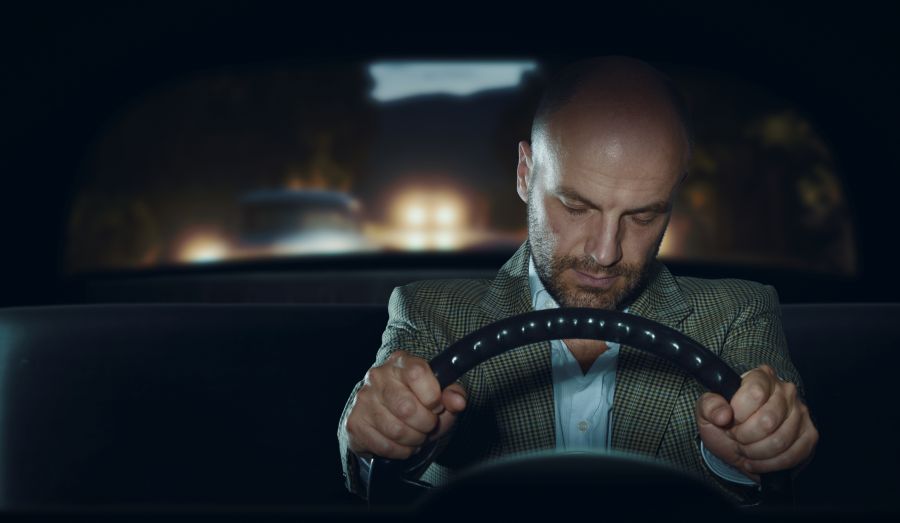
How to keep dreams out of your lane.
When we find ourselves yawning down the interstate, shifting deeper into our heated seats, and toeing the solid white line between reality and dreams, we don’t think twice about how our energy levels could impact our control over a vehicle.
It’s important we remain cautious of our consciousness before strapping ourselves into a seatbelt.
Beep, Beep, Better Sleep!
According to the National Highway Traffic Safety Administration, sleep deprivation causes an estimated 100,000 accidents a year, with 50,000 injuries and 6,400 deaths. A drive taken on less than five hours of sleep increases the risk of an accident by four to five times.
The NHTSA believes the impairment from sleep deprivation over a 24-hour period is equivalent to that of having a .10% blood alcohol content, which is .02% above the federal legal limit. The AAA Foundation for Traffic Safety equates sleep-related impairment to the effects of hard drugs, high levels of alcohol, or sedatives.
These brief lapses in consciousness at the wheel are referred to as “microsleeping.”
Dozing Dilemma
Microsleep occurs when a person loses consciousness for 15 seconds or less, delaying their response time to sounds and visual stimuli. This can happen so quickly that the brain is unable to process the lapse.
Microsleep typically affects groups that experience late schedules, long hours, stress, excessive workloads, multiple jobs, poverty, or a demanding childcare situation. Microsleep also affects those with sleep conditions or those who take low heartrate inducing medications.
Beware the Sleep Signs
Although there are apps like Drowsiness Alert to notify us when we need rest or lane departure warnings to alert us when we’re drifting, there’s no safe way for us to navigate sleepy driving.
What we can do is point out the symptoms of microsleep at the wheel before an accident occurs, including the following symptoms:
- Heavy eyelids/slowed blinking
- Zoning out
- Missing directions
- Yawning uncontrollably
- Losing speed control
- Drifting in and out of lanes
- Experiencing a delayed reaction time
Encourage those experiencing symptoms of microsleep to get a good night’s sleep before they take on the road.
Snooze Do’s
True car safety starts with a solid bedtime routine. You can create this by setting a cool room temperature with low light visibility, using comfortable bedding and taking part in relaxation practices at night to maintain a consistent circadian rhythm. Staying hydrated, maintaining a workout regimen and avoiding foods within an hour of bedtime are also healthy practices that promote sleep quality.
Consider taking public transport on days you’re feeling tired or carpool with a well-rested friend. Avoid the road during hours you’re typically asleep, take more naps and make sure to schedule breaks when driving long distances.
Filling Your Tank
Without proper sleep, your body is like a car with no fuel. When we let our fuel run dry, our engines go quiet just like our bodies. It’s important to make sure there’s gas in your tank, so make sure you’ve given yourself enough fuel before driving.
We can use preventative measures and hacks, but nothing keeps us safe from micro-sleep quite like a healthy sleep routine does.