

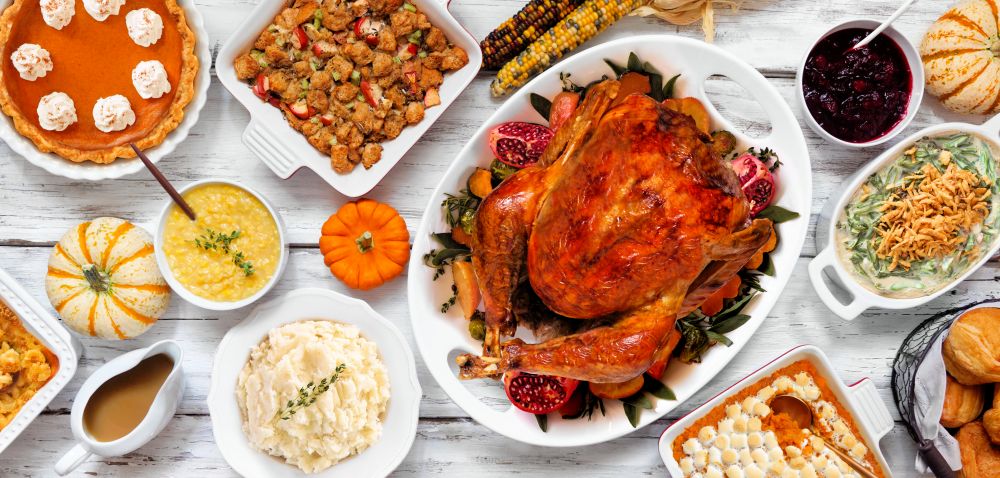
Will your holiday feast follow you to bed?
Thanksgiving has all the ingredients for a cozy night’s sleep: a full stomach, a comfortable couch and maybe a post-dinner nap while the dishes wait. But after a day of turkey, mashed potatoes, pie and second helpings, could your holiday feast also be a recipe for some seriously strange dreams?
The idea that certain foods can trigger vivid dreams or nightmares has been around for generations. While the science isn’t quite as simple as blaming that extra slice of pie, emerging research suggests what we eat may play a role in what happens after we drift off.
Food for thought
A 2025 study published in Frontiers in Psychology surveyed more than 1,000 people about their diets, sleep and dreams. About 40% reported that certain foods affected their sleep quality, while only 5.5% indicated that what they ate influenced their dreams.
Among those who noticed an effect, desserts, sweets and dairy were most commonly linked to dream changes. Participants also frequently blamed rich and spicy foods for poorer sleep.
While the findings don’t prove that certain foods directly cause strange dreams, they offer an intriguing look at how diet and sleep may intersect. The study did find that people who reported eating healthier diets tended to sleep better and have more positive dreams.
A feast most frightful
The idea that food can lead to strange nighttime experiences is hardly new. In Charles Dickens’ A Christmas Carol, Ebenezer Scrooge initially blames his ghostly encounter on something he ate, telling Marley’s Ghost, “You may be an undigested bit of beef, a blot of mustard, a crumb of cheese,” before qupping that there’s “more of gravy than of grave” about him.
More than 180 years later, Scrooge may have been onto something. Researchers have found that digestive issues such as lactose intolerance are associated with more nightmares, particularly among people with severe symptoms. Discomfort from bloating, stomach pain or heartburn can interrupt sleep throughout the night, and those disruptions may help explain why certain foods have earned a reputation for inspiring unsettling dreams.
Beware the midnight leftovers
That late-night trip to the refrigerator for a leftover turkey sandwich might deserve a little attention, too. The 2025 study found that eating at night or close to bedtime was linked to more higher nightmare scores.
Interestingly, late-night eating wasn’t linked to remembering more dreams overall, but the dreams people did remember were more likely to be unpleasant. So, if Thanksgiving dinner turns into Thanksgiving dinner: round two just before bed, your leftovers may be joining you for more of the night than you expected.
Ultimately, scientists are still unraveling the curious connection between what we eat and what we dream. Whatever your dreams have in store this Thanksgiving, a cozy place to rest your head at the end of the day is always something to be thankful for.