

Every mattress retailer wants a higher average ticket. The instinct is often to solve for it with more product, another price point, another vendor, another line to train on. But the fastest path to a stronger ticket rarely runs through the warehouse. It runs through the sales floor.
The retailers who consistently post higher average tickets aren't necessarily carrying more SKUs than their competitors. They're doing a better job of framing the SKUs they already have. Here's how.
Reframe the Sale Around Value, Not Price
Shoppers walk in anchored to a number. It could be a price they saw online or what they paid for their last mattress a decade ago. Either way, the first job of a good sales conversation is to move that anchor from price to value.
This means asking questions before quoting numbers. How do you sleep now? What wakes you up? Do you sleep hot, sleep with a partner, deal with back pain? Every answer is an opening to talk about what a mattress does, not what it costs. A shopper who understands why cooling technology or targeted support matters is no longer comparing your $1,499 model to a big-box $699 model. They're comparing solutions to a problem they just described out loud.
Price resistance almost always shows up when value hasn't been established yet. Selling features before benefits, or numbers before need, is the fastest way to end up negotiating on price instead of building on value. This is closely tied to how shoppers weigh luxury against value in the first place, a dynamic explored further in Luxury vs. Value: Understanding What Mattress Shoppers Want.
Use Good/Better/Best Anchoring on Purpose
Most floors already have a good/better/best structure. Few use it strategically. The point of a three-tier presentation isn't to let the customer pick their budget. It's to make the middle or top tier look like the obvious right answer.
A few principles make this work:
● Show three, not one. A single option invites a yes/no decision. Three options invite a which-one decision, and customers who are choosing among options spend more than customers deciding whether to buy at all.
● Lead with best, then work down. Opening with the top-tier model sets a higher anchor. Everything shown afterward looks more reasonably priced by comparison, and the middle tier often ends up looking like the smart, balanced choice.
● Make the gap in value bigger than the gap in price. If the best model is $400 more but includes noticeably more comfort layers, cooling technology, or edge support, the price increase feels earned. If the difference between tiers is murky, customers default to the cheapest one.
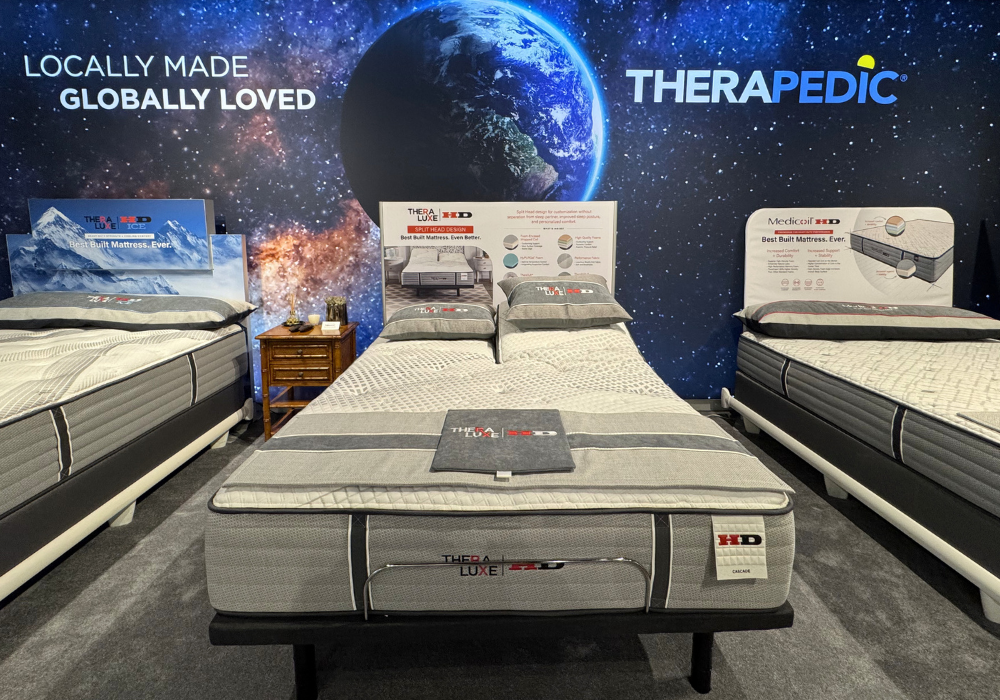
This is where product knowledge earns its keep. A sales associate who can clearly explain what changes between the good, better, and best versions of a collection, not just that the price changes, is the one who moves shoppers up a tier. How a showroom is organized plays into this too. Zoning a floor by value and lifestyle segment naturally guides shoppers through a good/better/best progression before a salesperson says a word.
Bundle to Increase Perceived Value
 Bundling doesn't require new SKUs. It requires packaging what's already on the floor in a way that feels like more.
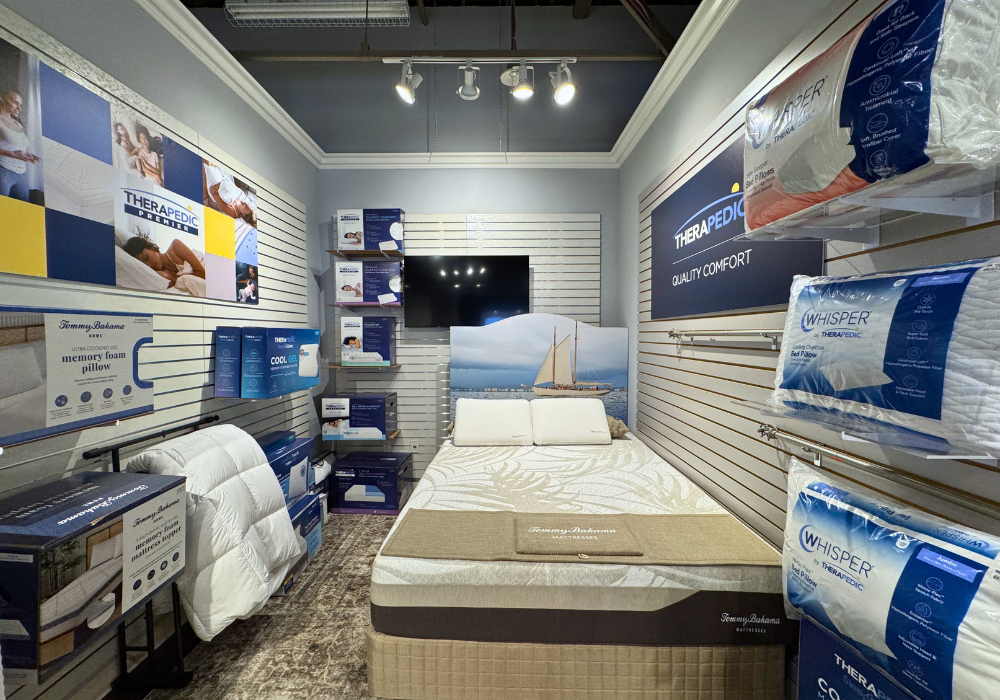
An adjustable base, a protector, and premium pillows bundled with a mattress purchase change the conversation from "how much is the mattress" to "how much is the whole sleep upgrade." Customers rarely do the math item by item once a bundle is framed as a complete solution. And because accessories typically carry strong margins, a well-built bundle can lift both ticket size and profitability at the same time. The key is presenting the bundle as the standard way to buy, not an upsell tacked on at the register.
Train the Trade-Up, Not Just the Close
 A trade-up conversation happens after a customer has already said yes to a category, but before they've committed to a specific model. This is the highest-leverage moment on the floor, and it's often skipped because associates are focused on closing the sale in front of them rather than upgrading it.
The trade-up works best when it's framed around a specific, relevant benefit rather than a generic "for a little more, you get more." Tying the upgrade to something the customer already mentioned, whether that's temperature regulation, motion isolation, or pressure relief, makes the additional spend feel like solving their stated problem more completely, not just buying a nicer version of the same thing. Seasonal moments are a natural trigger for these conversations, so you can tie sales training and shopper data together heading into the year's biggest selling season.
The Common Thread
Reframing, anchoring, bundling, and trade-ups all point to the same underlying idea that an average ticket is a training and communication challenge before it's an inventory challenge. The SKUs on the floor set the ceiling, but how the team talks about them determines how close to that ceiling most sales land.
Retailers looking to grow ticket size don't need to wait for a new collection or a new vendor meeting. The next opportunity is likely already sitting in the showroom, waiting for a better conversation.
Therapedic supports retail partners with resources, merchandising guidance, and marketing tools built to help these conversations happen more often. Learn more about The Therapedic Difference: How Our Retailer Program Supports Your Business, or visit Partner With Us to start the conversation.